
Meraki Medicinal
Total engagement (6mo)
189K
Engagement growth (6mo)
+124.1%
Subscribers by platform
instagram
100K
Engagement evolution
Posts
24 posts tracked||

instagram5mo ago
1M views41K likes2K comments
The microbiome plays a far greater role in mental health than previously understood, with emerging research on the gut-brain axis revealing …
instagram7mo ago
684K views15K likes241 comments
Creatine and methylene blue can be a strong combination because they support cellular energy from two complementary angles. Creatine helps…
instagram4mo ago
427K views17K likes364 comments
Interest in ivermectin, fenbendazole, and methylene blue has grown because laboratory studies have identified several mechanisms that may in…
instagram6mo ago
373K views12K likes558 comments
Research published in Molecular Neurobiology shows that methylene blue can enhance mitochondrial function by improving the activity of cellu…
instagram4mo ago
236K views16K likes192 comments
Methylene blue has undergone a remarkable transformation from a synthetic textile dye first developed in 1876 by German chemist Heinrich Car…

instagram4mo ago
296K views7K likes350 comments
Black seed oil, derived from Nigella sativa, has been studied for its supportive role against Helicobacter pylori due to its natural antibac…
instagram4mo ago
215K views8K likes129 comments
Methylene Blue is an exceptional molecule in neurobiology because it functions as an electron cycler, supporting mitochondrial energy produc…
instagram4mo ago
190K views5K likes333 comments
Methylene blue operates as a powerful broad-spectrum antimicrobial agent with activity against bacteria, viruses, fungi, and certain parasit…

instagram3mo ago
113K views6K likes245 comments
Red light (630–660 nm) activates methylene blue (MB) by exciting the molecule into a higher-energy state, allowing it to participate in cell…
instagram5mo ago
101K views4K likes117 comments
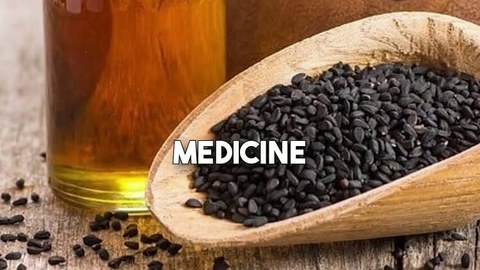
Black seed oil, extracted from the seeds of Nigella sativa—commonly known as kalonji—has been valued for over 3,000 years in traditional sys…
instagram6mo ago
97K views3K likes214 comments
The combination of methylene blue (MB) and vitamin C (ascorbic acid) is valued for its synergistic biological effects, mainly involving anti…
instagram5mo ago
86K views5K likes100 comments
Black cumin seed oil (Nigella sativa) contains potent antimicrobial compounds such as thymoquinone, thymol, and carvacrol that may help inhi…
instagram4mo ago
76K views3K likes180 comments
Studies show that when activated by visible or red light, methylene blue generates reactive oxygen species (ROS) that can damage viral genet…
instagram4mo ago
67K views2K likes123 comments
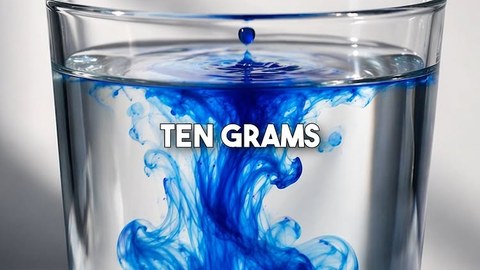
Methylene blue is commonly used in doses ranging from 0.5 mg to 4 mg per kilogram of body weight per day. For a 90 kg (200 lb) individual, t…

instagram5mo ago
60K views3K likes123 comments
Methylene blue has a fascinating legacy as one of the earliest synthetic medicines, first developed in the late 1800s by German chemist Hein…
instagram4mo ago
401K views1K likes26 comments
Most oncologists are trained to focus on diagnosing and treating cancer, not necessarily to discuss every emerging theory, risk factor, or a…
instagram5mo ago
137K views5K likes73 comments
Growing evidence suggests that conditions such as dementia, depression, ADHD, and certain aspects of autism spectrum disorders are closely a…
instagram8mo ago
131K views3K likes47 comments
Methylene blue can cross the blood–brain barrier and enhance mitochondrial function by acting as an alternative electron carrier in the mito…

instagram7mo ago
88K views3K likes32 comments
Methylene blue paired with red light therapy is a powerful synergy for cellular energy. Methylene blue helps optimize how your cells use oxy…
instagram6mo ago
74K views3K likes89 comments
Methylene blue acts on mitochondrial respiration, which is why it has been studied across specific neuro and metabolic conditions where ener…

instagram4mo ago
71K views2K likes52 comments
Near-infrared (NIR) and deep red light, particularly around 670–850 nm, have been shown to interact directly with mitochondria—the cell's en…

instagram3mo ago
69K views1K likes38 comments
Elevated uric acid is increasingly recognized as more than a cause of gout, with research linking it to obesity, type 2 diabetes, hypertensi…
instagram8mo ago
62K views2K likes67 comments
Research suggests that when Methylene blue is used together with red or visible light, it can enhance photodynamic effects compared with eit…
instagram5mo ago
101K views158 likes15 comments
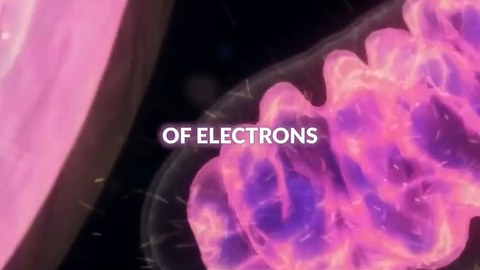
Methylene blue is used by athletes as a powerful mitochondrial enhancer that directly boosts cellular energy production and performance outp…
Brand Info
- Website
- www.merakimedicinal.com/
- Platforms
Social Channels
- instagram@merakimedicinal · 100K followers
See full brand analytics
Sign up for free to see all social channels, engagement metrics, growth history, and score breakdown.